The Blog

Posted in Mom Life

Journaling for Your Happiness

Did you have a diary as a kid? I did. There is something cathartic about writing things down. After my divorce, my therapist even recommended I write down everything that was bothering me because I was having trouble saying it aloud. It’s nice to just get it out– out of your mind, out of your body.

I was hesitant to do it because I didn’t want anyone finding it, reading it, and judging me. I felt ashamed of feeling the way I did. But, I wrote it all down anyway. I wrote down the things that bothered me. I wrote down the big things and the little things. I chronicled my pain and my disappointments, and the few moments of intermittent hope. I also recorded bible verses that spoke to me and quotes that inspired me. And, on some days–when there weren’t any words– I just doodled. I had stacks of notebooks with tear-soaked prayers detailing every little thing that ate at me. Until one day the entries started getting shorter and more hopeful. The doodles got happier. I started counting my blessings again. My notebook started to record my hopes and dreams. I set new goals for my life… and I kind of became obsessed with bullet journals.

According to the University of Rochester Medical Center, journaling is actually a great way to improve your mental health if you’re dealing with stress, depression, or anxiety. It gives your feelings a healthy outlet. That is because having a healthy way to express yourself gives you a little control of what you are feeling. You can see your problems, sort through them, identify your fears and concerns, and give yourself a way to track your progress. It also gives you a chance for some positive self-talk. You can track bad behaviors and identify triggers. And believe it or not, it is good for your body too. Writing can help you improve immune function, decrease risk of illnesses, and keeps your brain sharp.

With all of those benefits, why wouldn’t you start jouranling?

However, since journaling isn’t a cure-all. In addition to journaling, you should maintain a healthy lifestyle for better managing stress, anxiety, and mental health conditions.

A few more things that could help you manage stress:

  • Meditate/pray every day.
  • Eat a healthy, balanced diet.
  • Get in some regular exercise every day.
  • Get plenty of sleep each night.
  • Avoid alcohol and drugs.

Reference:

https://www.urmc.rochester.edu/encyclopedia/content.aspx?ContentID=4552&ContentTypeID=1
Posted in Lifestyle

Finding Your Creative Style

Creative style is not about what you do but about how you do it. The creative style theory, pioneered by Dr. Michael Kirton, addresses the question of why some ideas succeed and some fail even when all parties are creative. It turns out that how you do things matter. Your style is unique to you because no one can do things the way that you do them.

Not only that; your style has nothing to do with your ability as a creator. You can be a low-level or high-level creative person, but the way you innovate and adapt to different situations is what really matters when it comes to success. Knowing your creative style can help you know how you work best so that you can easily set yourself up for success.

Often when we think of creating something, we think about what others will think.

But, exploring creative outlets is for you.

If you want to create something that you think others might find odd, ugly, or useless, create it anyway. Creativity is personal and therapeutic if you don’t focus on what anyone else thinks. If you are constantly trying to please other people by what you make then you are not going to get any joy from it. I know I spent quite some time worrying about what people will think about @apainterlylife. I didn’t fit in to the Motherhood niche, which is where I wanted to be; and I didn’t feel creative enough for the creator niche, but I loved that space too. I was told that I had to pick one or the other. I had to tone down my style and be like everyone else. Yet, here I am sharing my creative photography in the motherhood realm.

What’s Your Creative Style?

This test is offered by Psychologies.co.uk, and while the test itself may not be totally scientific, it is based on science. You’ll always, of course, do best to go to the real place with a KAI certified practitioner, which is the test mentioned above. However, this one is fun and you can take it right now online. One thing to remember is that according to Kirton, everyone is creative. It’s just the way that you create that’s different.

Finding your creative style will come through experimentation and practice. It can help to journal, draw, get into nature, and to just think. Set up your life so that you have downtime where you can get new ideas and then act on those ideas. Also, you may be high-level or low-level creative, but your style is all your own. You may adapt, or you may innovate, or you may do some of both.

Nothing will build your creativity more than forcing yourself to create consistently. Practicing your craft over and over is the only way to become decent at it. Sitting around thinking about that perfect idea will get you nowhere. You don’t need to achieve perfection with your first try. It doesn’t matter how good or how bad it is. You just need to produce something, anything, to prove that you can to yourself.

Share your work publicly. It will hold you accountable to creating your best work. It will provide feedback for doing better work. And when you see others connect with what you create, it will inspire you and make you care more.

For more inspiration on How to be creative when you don’t know what to create, check out this article over at True You Lifestyle Blog.

Posted in Content Creation, Lifestyle

Tips for Outdoor Photos with Kids

I am not a professional photographer by any means, but I do take thousands of pics of my kids per year — literally thousands! These are a few tips on how I manage to provide consistent stream of kid pics for my Instagram.

1. Plan Ahead of Time

Having a plan for the type of shots you want to take is important for outdoor photos. Kids have a short attention span and the golden hour doesn’t last long. Test out on a different day the different settings for your camera, and check the weather so that you will know what type of settings you’ll need to use.

Use Your Autofocus

For novice photographers like me, I recommend using predictive autofocus. It works well for moving targets, such as Devin, who prefers to run from the camera. You can lock on the image before you take the picture so that you can track the movement before you take the shot.

People Look Great Outdoors

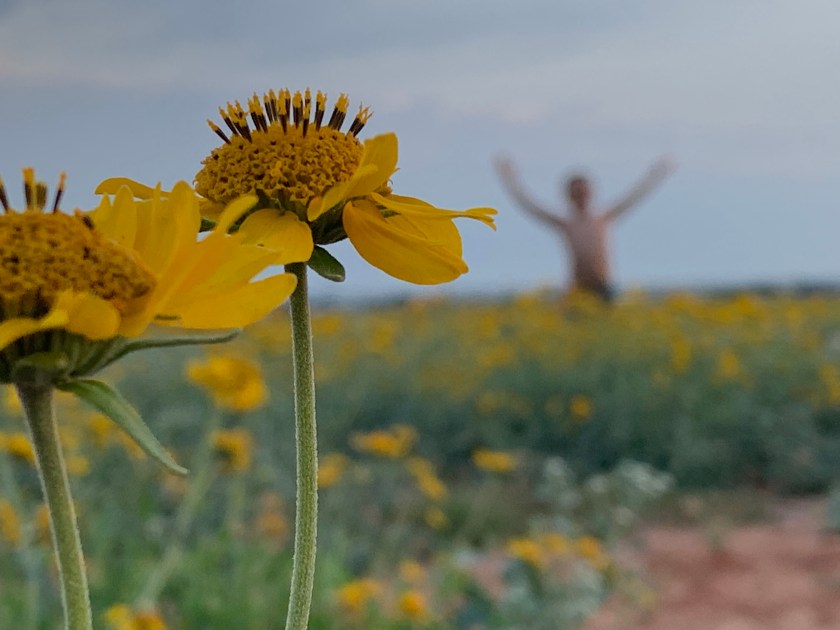
Kids are cute regardless. There is hardly any lighting that makes them look bad, but natural lighting provides beautiful amounts of light and gorgeous backdrops. If your subject is the landscape with a person in it, it will help the audience gain perspective. If your focus is the person, then the backdrop of nature can be blurred out so that the person shows up more.

Right Place Right Time

The best shots happen when you are in the right place at the right time. When you see some great scenes happening, don’t delay or worry about camera settings – just start taking pictures. Set it on autofocus and automatic and just start framing the images. The frame is more important than your worrying about camera settings. ( This is also why I end up taking most of my photos with my iPhone) Kids, especially little kids, don’t have time in their busy schedules to wait for you to set up your camera.

Adjust Your Exposure

If you really want to capture the vivid colors better, then it’s all about exposure. Play with the exposure, starting with dialing it down by -.05. It’ll make the image sharper, and the blacks look blacker and the colors look more colorful.

Look Down

The ground offers a great choice of background for portraits. Have your subject lay down and arrange some leaves around them, or they can lie in a grass/flower field with their hair spread out. Nature provides a wonderful backdrop and they’re less likely to run away this way.

Remember the Rule of Thirds

When you are aligning your subject in the view finder, pretend there is a nine-square grid in which you can easily arrange the image. This means that there are four areas of interest in the photograph, which are the interceptions of the lines. This is why you don’t put a person in the center of a portrait most of the time but over to one side, with other things being in the shot too.

Zoom In

When you’re taking outdoor shots, remember to reduce the confusion in the shot by zooming in to make your main focus on what you want the people to see when they look at the image. A good way to do that is to get what you think is your shot in the viewfinder, then zoom in a bit to take out anything extra. I tend to take tight photos cropped close to the subject. That’s just what I like. There are many truly talented photographers who are masters with landscape shots, but I am not one of them.